We are accepting new patients
Looking for a new dentist? We would be happy to welcome you to our clinic — get in touch and we will arrange your first appointment.
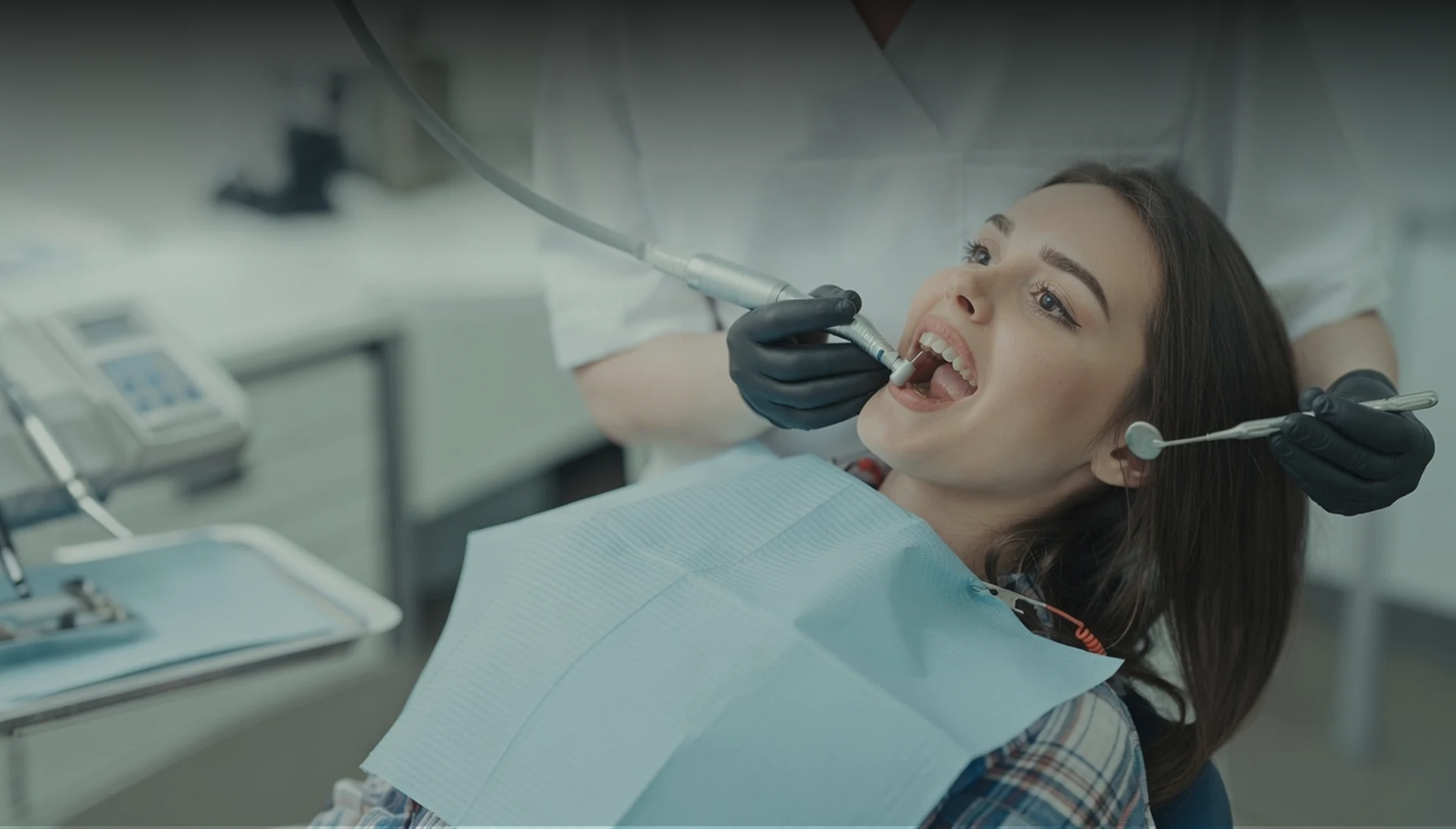
Modern dentistry with a human touch
Gentle, precise and professional care for children and adults alike — in an environment where you will feel calm and safe.
Learn moreContact
+420 776 216 228
info@superdent.cz
IČO: 23548576
Opening hours
A clinic where you will feel calm and safe
Quality care here rests on two things: an individual approach to every patient and modern equipment for precise diagnostics and gentle treatment.
That is why every visit starts with a thorough initial examination and an X-ray, based on which we put together a specific treatment plan — not a one-size-fits-all procedure.
We speak:
- Czech
- Slovak
- English
- Ukrainian
- Russian
- Greek
- Vietnamese
- Arabic
A team that will take care of you
Behind every treatment stands a real name, not just a clinic. Meet the team you will be in touch with from the first examination to the final check-up.
MDDr. Epameinondas Kourousis
General Dentist
- 2014 Graduate of the Faculty of Medicine in Plzeň, Charles University.
- 2017–2018 A two-year curriculum at the Third Faculty of Medicine, Charles University, organized by the Czech Society for Implantology.
- 2014–2023 A series of educational courses and seminars in the Czech Republic and Greece.
Dr. Duy Anh Nguyen
General Dentist
- 2022 Graduate of the Faculty of Medicine at the University of Debrecen, Hungary
MDDr. Nina Marciňová
General Dentist
- 2023 Graduate of the First Faculty of Medicine, Charles University in Prague
Dr. Salah Ghanem
General Dentist
- 2009 Graduate of the Faculty of Medicine at Homs University in Syria
Alena Bílla
Dental assistant
Olena Shvyshceva
Dental assistant
0+
years of experience in the field
0+
happy smiles
Complete care for your whole family
INITIAL AND PREVENTIVE EXAMINATION
Initial and regular preventive check-ups – early detection is the basis of a healthy smile
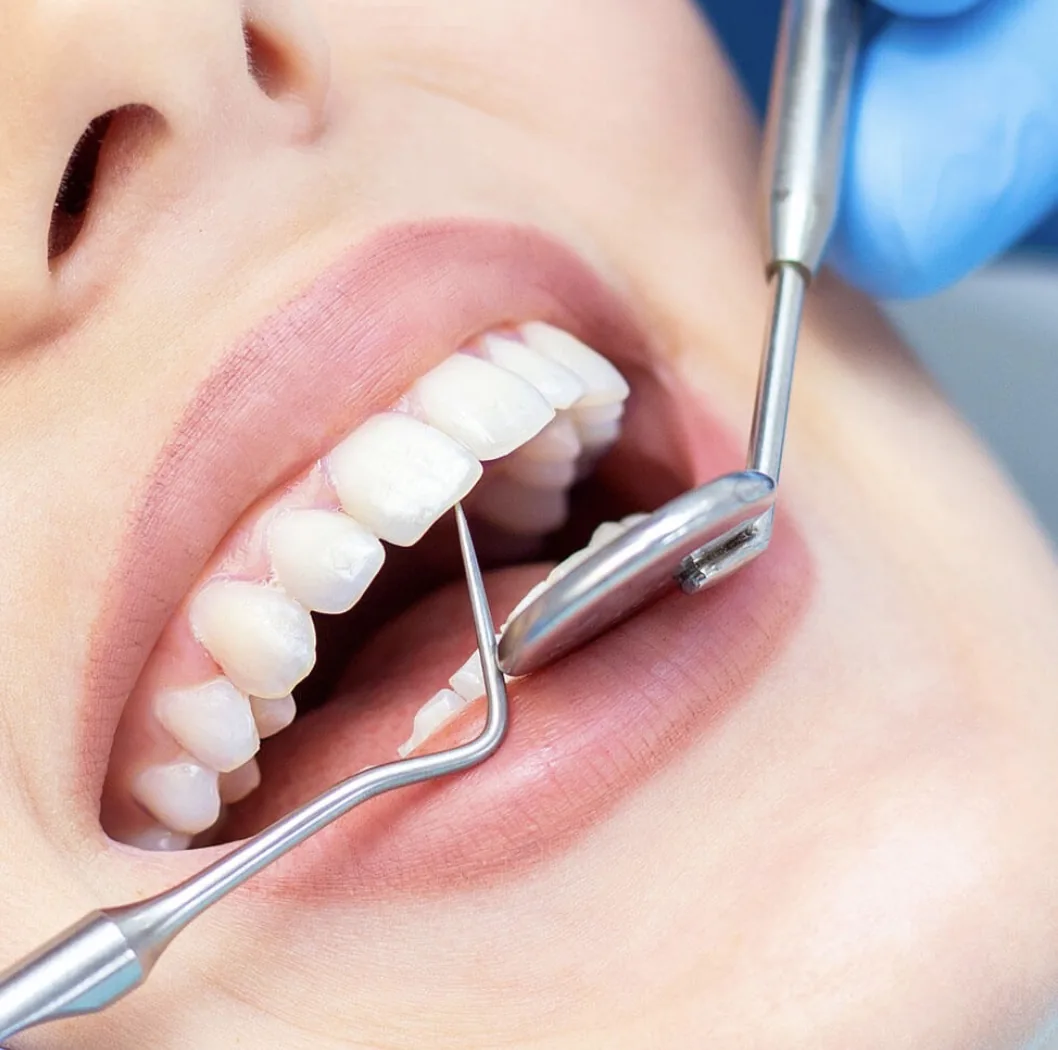
At the first appointment we carry out a thorough examination of the oral cavity. We assess the condition of the hard and soft tissues, take the necessary X-rays and, based on that, put together an individual treatment plan.
During regular "preventive" check-ups (usually once a year) we check the state of oral hygiene and look for any new tooth decay.
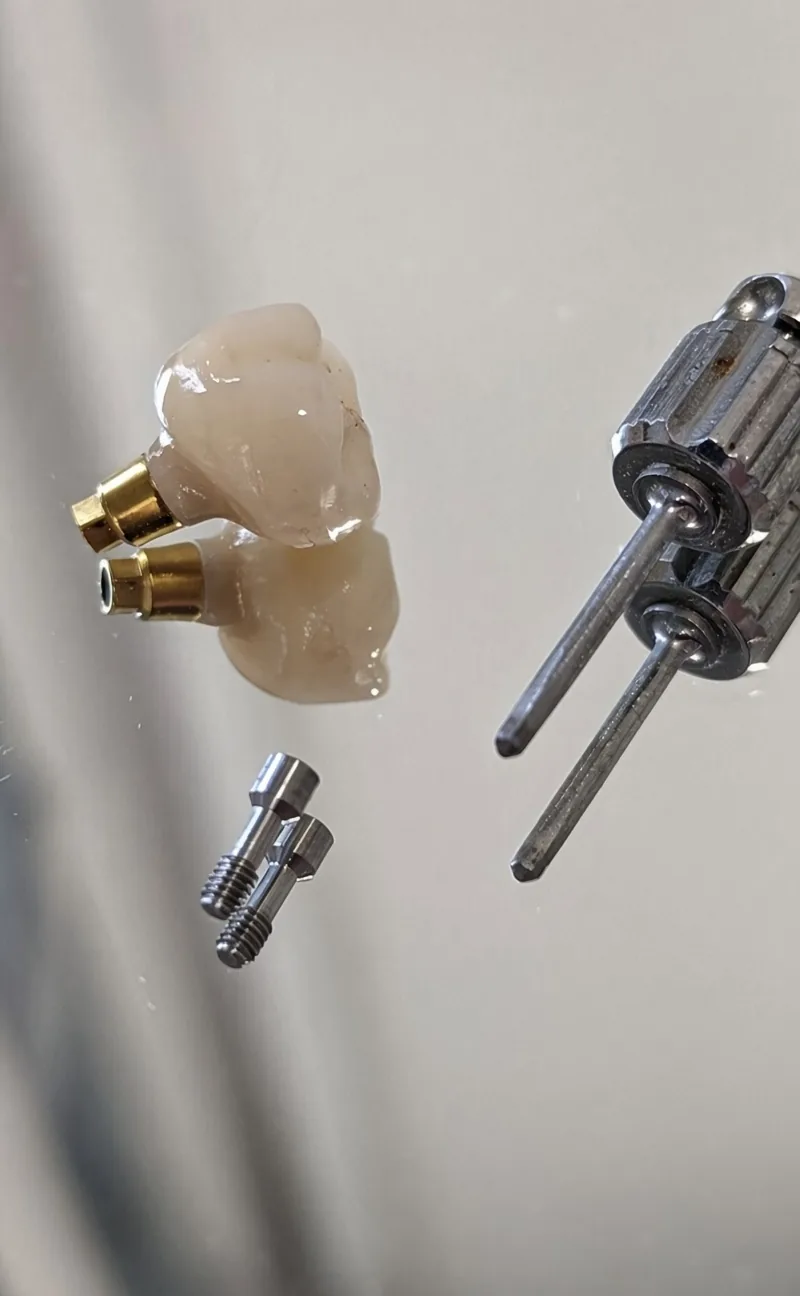
IMPLANTS
A fixed replacement for missing teeth
A dental implant is a metal cylinder 8–15 mm long, made of titanium. It has a thread, similar to a screw. After a thorough examination of the patient and an assessment of bone condition, it is gently surgically placed into the jawbone. After this surgical procedure, which takes about 20 to 30 minutes, you can go back to your normal daily activities.
After placement, a healing process begins, usually taking 3 to 6 months. Bone healing can take even longer if special bone treatment was needed. After this period, we screw a so-called healing abutment onto the implant for two weeks. Its job is to shape the gum in that spot. The healing abutment is then replaced with the implant's permanent abutment, onto which we make a crown or bridge.
Advantages of implants:
- A fixed bridge can be made even in cases where a removable denture would otherwise be the only option.
- There is no need to grind down healthy neighbouring teeth.
- Can be used to help anchor a removable denture.
Disadvantages of implants:
- Integration with the gum can be problematic in the so-called "aesthetic zone".
- An implant can be rejected by the body, but fortunately this happens in only about 2% of cases. In that case, the implant is simply replaced with a new one. Smokers and diabetics have an 8 to 12% higher risk.
Patient selection for this surgical procedure is therefore very careful.
When we do not recommend implants
- Diabetes mellitus. If diabetes developed later in life and you carefully follow your diet and any medication, we will point out the higher risk of complications but will certainly not refuse implantation. If you inject insulin, or if diabetes developed at a young age, the risk of implant failure is significantly higher.
- Anticoagulant therapy – "blood-thinning" medication. If you take, for example, Anopyrin, which limits platelet clumping, this is not a problem for the implantologist. If you take, for example, Warfarin, we usually do not recommend implantation, as it could cause serious complications.
- Corticosteroid therapy. Corticosteroids taken for asthma, skin conditions or autoimmune diseases impair tissue healing enough that implantation can easily fail. If corticosteroid treatment, in your case, is not permanent, implantation can usually be done safely after a few months.
- Patient's age. For a dental implant, only the lower age limit matters — the age at which jaw growth is complete. The jaw grows until roughly age 16 in girls and 18 in boys.
- Smoking and how much. Healing of oral tissue is slower in smokers. In addition, smokers have reduced resistance of the oral mucosa, which allows microorganisms to penetrate along the implant from the mouth into the bone. If you smoke only occasionally, implants are not especially at risk. If you smoke more than 15 cigarettes a day — the usual threshold for a heavy smoker — the negative effect of smoking on implant longevity is clear.
- The condition of the teeth, oral mucosa and oral hygiene.
Looking after your teeth matters — for implants, it matters twice as much!
Before placing the intraosseous part of a dental implant, the patient's teeth must be properly treated. Patients should be aware that, unless teeth were lost due to an injury, tooth loss is usually the result of insufficient dental care — leading from tooth decay to extraction, or causing periodontal disease. Insufficient oral hygiene is the most common reason for implant failure.
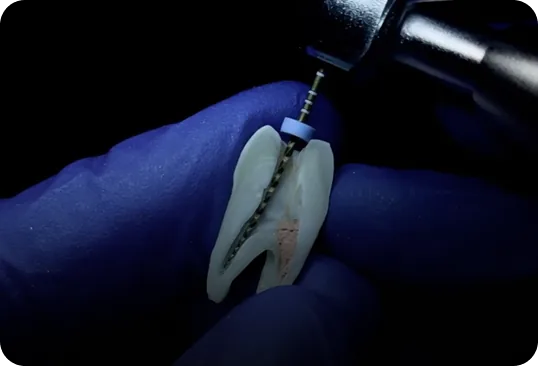
ENDODONTICS
Endodontics (root canal treatment) – a pain-free tooth
Root canal treatment becomes necessary when tooth decay irreversibly damages the dental pulp. For the treatment to succeed, all canals must be located, sufficiently mechanically shaped, chemically disinfected and then hermetically sealed with filling material.
For some teeth the whole treatment takes place in a single session; for more complex cases (e.g. more canals or a more complex root anatomy, teeth with a lesion, or redoing an old, inadequate treatment) several sessions are needed. To ensure precise work, we use the latest technology.
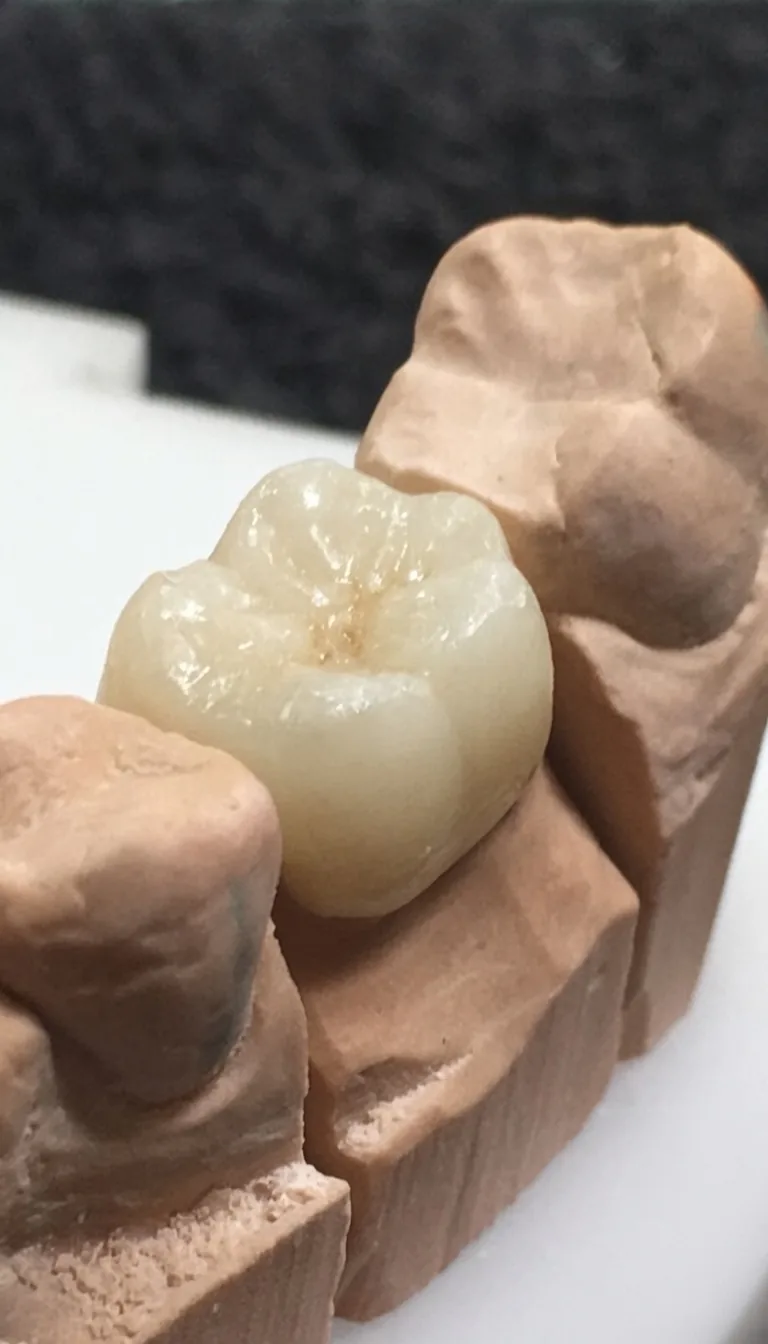
PROSTHETICS
Fixed and removable – precise restoration of dental function and aesthetics
When it is necessary to replace lost parts of a tooth, an entire tooth, a group of teeth or the whole dentition, we turn to fixed prosthetic treatment with crowns, bridges, or removable dentures, all aimed at restoring lost hard tooth tissue in the most complete way possible.
Crowns
A crown is a protective cap used to treat a tooth whose own crown structure has become too weak (e.g. due to decay or injury) and a regular filling is no longer possible. The crown protects the tooth against fracture and restores its function and appearance. Treatment requires a healthy tooth root and enough hard tissue for the crown to attach to.
Crowns are also used on implants.
Materials:
- Porcelain-fused-to-metal (a ceramic crown with a metal core): A classic, proven type of treatment with high strength, used mainly on posterior teeth. The only downside is that over time the gum line may recede and a dark edge of the crown can become visible.
- Zirconia crown (monolithic zirconia): High strength, satisfactory aesthetics, also used mainly on posterior teeth.
- Zirconia-ceramic crown (a ceramic crown with a zirconia core): A highly durable crown that is also very aesthetic, does not create a dark edge like porcelain-fused-to-metal crowns, and is therefore suitable for both front and back teeth.
- All-ceramic crown (several layers of pure ceramic): Allows a perfect imitation of natural tooth appearance but is the least durable, so it is best suited for front teeth.
Bridges
A bridge is an artificial dental restoration designed to fill a gap left by the loss of one or more teeth.
Unlike a denture, a bridge restores chewing function almost completely. With bridges there are no pressure points on the gum, because — unlike with a denture — the chewing force is carried on the mucous membrane.
Materials:
- porcelain-fused-to-metal
- zirconia
- zirconia-ceramic
Advantages of bridges:
- A faster, simpler, cheaper solution than an implant, or an option when an implant is not possible.
Disadvantages of bridges:
- the need to grind down neighbouring teeth
Removable dentures (partial or full)
These are dentures that replace missing teeth and are held in place either by clasps on remaining teeth or, in the case of full dentures, by suction.
Dentures are made from a resin base with artificial teeth attached.
Advantages of removable dentures:
- a cheaper, faster, technically simpler solution
- do not require especially thorough hygiene
Disadvantages:
- removable, often uncomfortable while eating
- often problematic retention, especially with lower full dentures
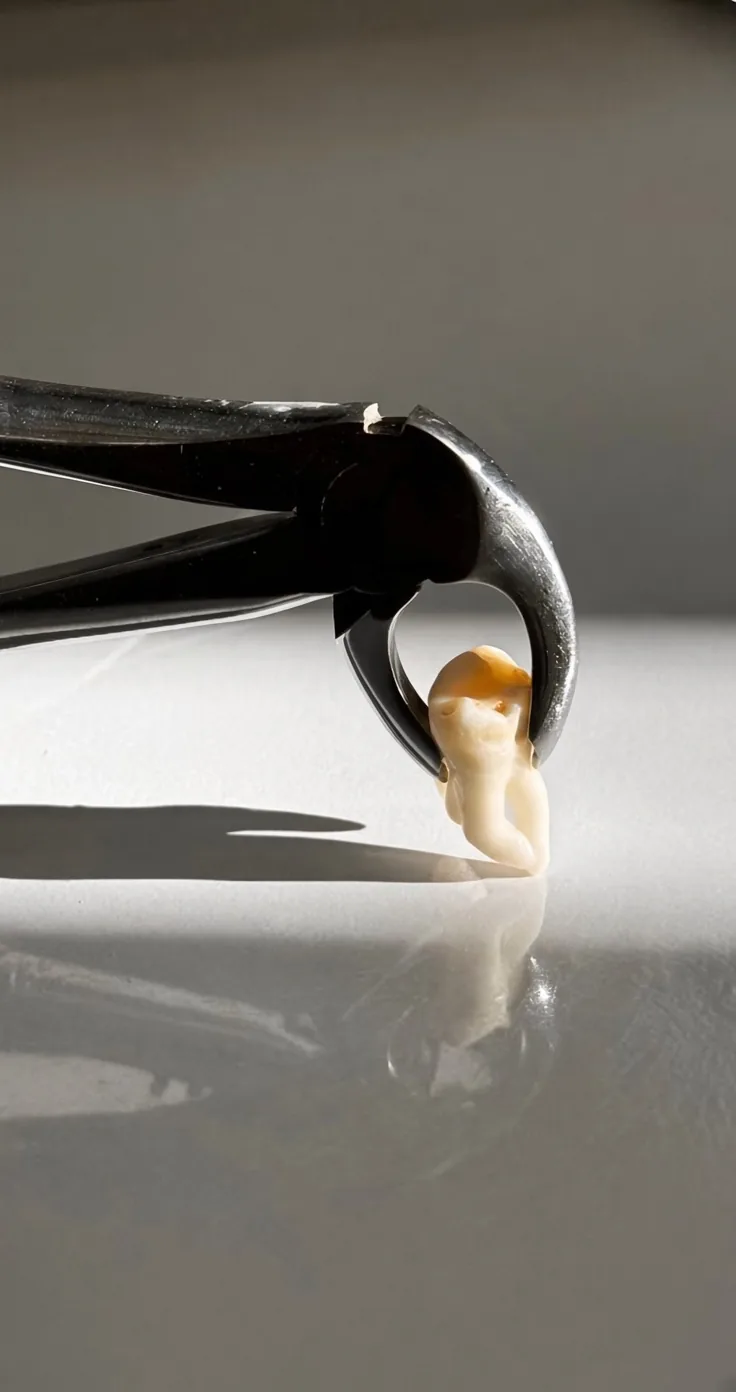
SURGERY
Gentle surgical procedures, including tooth extraction
Tooth extraction is necessary when conservative treatment is no longer possible or no longer makes sense. The most common reasons are tooth mobility due to periodontitis, a tooth broken down or damaged by deep decay, injury, or orthodontic treatment.
The procedure is painless, carried out under local anaesthesia. Before the procedure, we thoroughly explain to every patient what to expect, as well as the follow-up care.
Cases requiring more extensive and complex surgery are referred, with a recommendation, to a higher-level surgical facility — for example, badly positioned wisdom teeth.
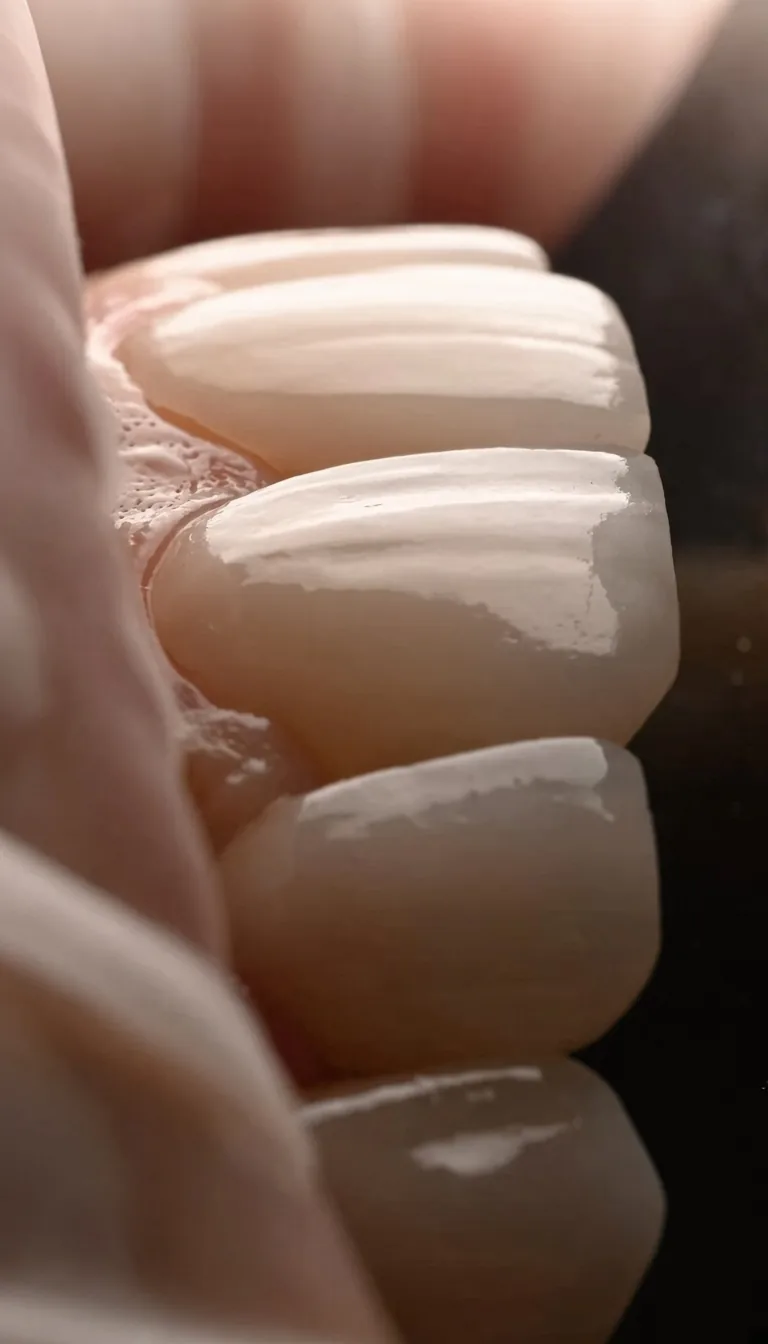
AESTHETIC DENTISTRY
Whitening, veneers and smile makeovers tailored to you
Aesthetic restoration of the dentition means restoring the appearance and function of damaged teeth. This can be achieved with composite fillings, all-ceramic veneers, or even simply with whitening. With age, the colour of teeth also changes — the enamel yellows or darkens, and dark spots or other imperfections can appear.
Ceramic veneers
Ceramic veneers are widely used in aesthetic dentistry. They are very thin ceramic shells bonded to the front, visible surfaces of the teeth. Among other things, they can hide unsightly fillings, mechanical tooth damage, overly large gaps between teeth, and unwanted tooth discolouration. They are also suitable for patients with minor orthodontic issues. Veneers can be applied to a single tooth or several teeth at once. A healthy tooth is a precondition, so the decision to use veneers must be preceded by a dental examination with a thorough assessment of the teeth and any existing fillings. Veneers are made in a laboratory; beforehand, we lightly reshape the surface of the tooth, so it is only a minimal intervention.
The ceramic material used for veneers brings a number of advantages. It has physical properties similar to natural teeth, and thanks to its smooth surface, bacteria that cause tooth decay do not settle on it as easily. The material holds its colour and is resistant to staining from food or drinks. If a veneer is damaged, for example in an accident, it can easily be removed and replaced with a new one.
Teeth whitening
Teeth whitening can also help improve your smile. At our clinic we offer both at-home and in-office whitening. Safe teeth whitening requires a healthy mouth free of decay and gum inflammation, and for the best result we recommend patients follow a so-called "white diet".
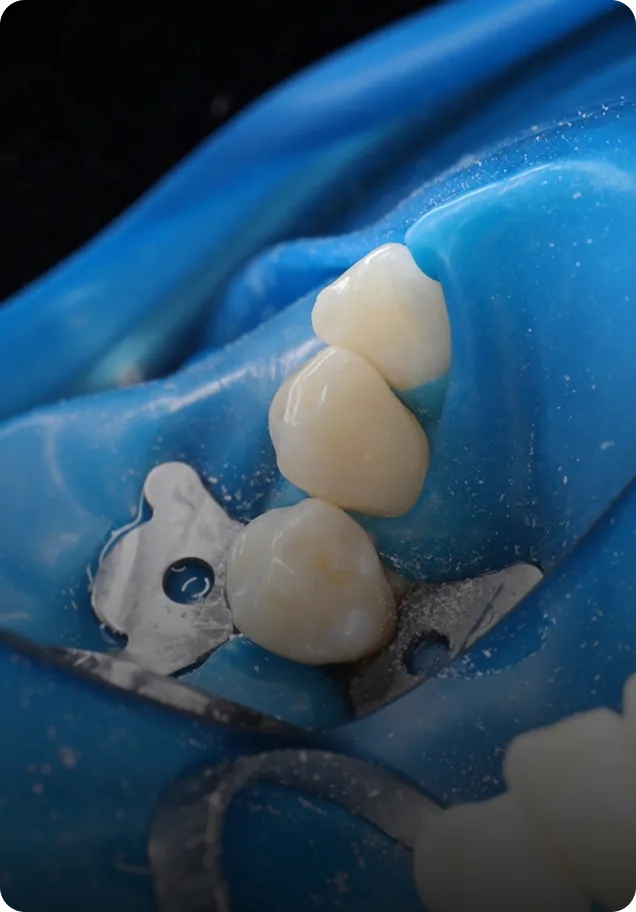
FILLINGS
Modern white fillings, indistinguishable from your own tooth
Treating tooth decay or dental injury with a filling is the most common procedure in a dental practice. We prefer white "composite" fillings, which preserve the greatest amount of hard tooth tissue and offer excellent function and aesthetics.
Advantages of composite fillings:
- lower load on the tooth during chewing movements
- aesthetics: a colour similar to the natural tooth
- better biocompatibility with the tooth and soft tissues than amalgam
- the chemical bond to the tooth can work even for smaller cavities, so healthy tooth structure does not need to be removed.
Disadvantages of composite fillings:
- shorter lifespan than amalgam, typically 7 to 10 years.
- technically more demanding to place, for example requiring a completely dry field.
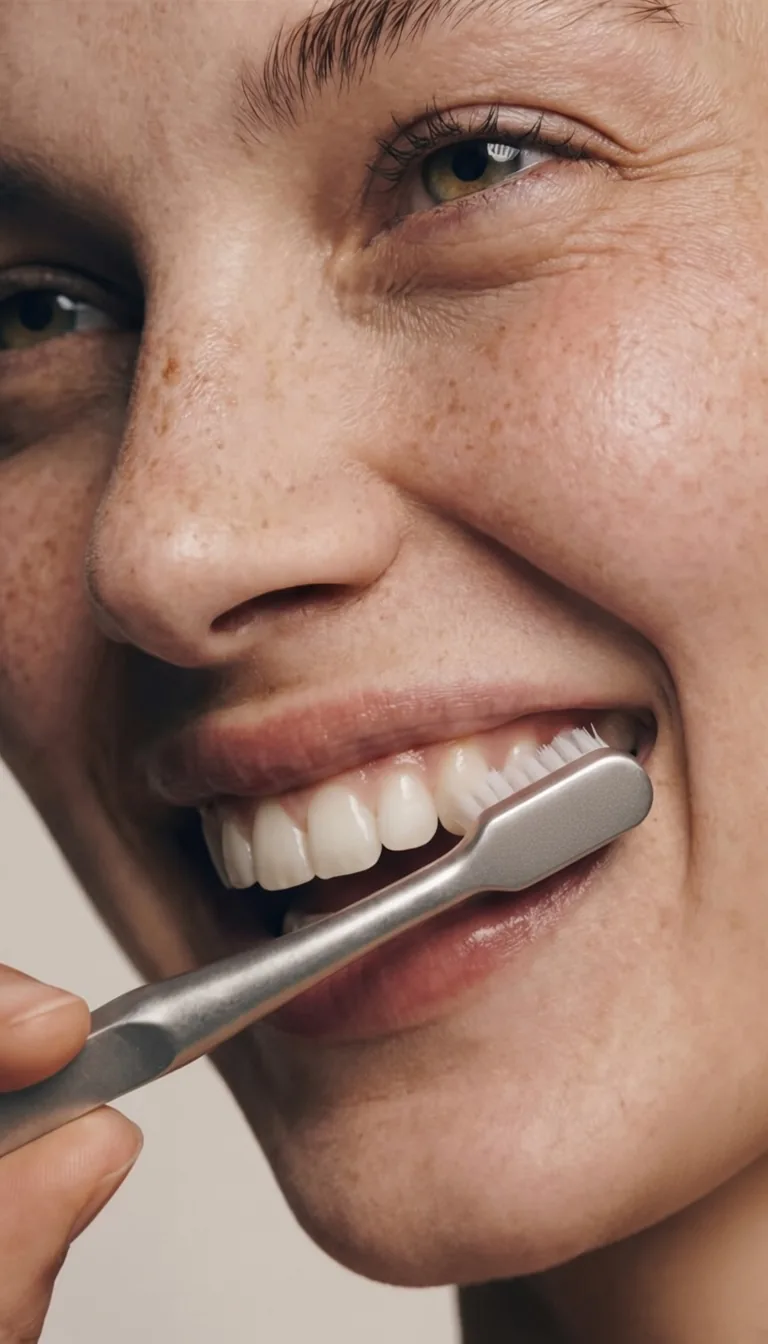
DENTAL HYGIENE
Professional teeth cleaning and gum care
Dental hygiene is an integral part of proper dental care. Since plaque forms continuously and is often difficult to remove thoroughly at home, regular professional dental hygiene is essential.
The usual frequency of visits is twice a year, or more often for patients with periodontal disease. In addition to thoroughly and professionally removing soft plaque and tartar, polishing the surface of teeth and fillings, and applying fluoride, we place great emphasis on teaching the correct way to clean teeth and the spaces between them at home.
Every patient deserves the best care
What others consider above-standard is our everyday practice — quality materials, modern procedures and time devoted to every patient.
*Unexcused absence without at least 24 h notice: CZK 1,000
Initial examination and preventive care
Patients without insurance 1500 CZK
Patients without insurance 1500 CZK
Diagnostics
Patients without insurance 300 - 800 CZK
Surgery
Patients without insurance 350 CZK
Patients without insurance 800 CZK
Conservative dentistry
Prosthetics
- All-ceramic crown
- Zirconia crown
- Porcelain-fused-to-metal crown
- Alternatively, other available variants
- With simple retention elements
- Metal-framework (skeletal)
- Flexible (deflex)
Implantology
Whitening
*Unexcused absence without at least 24 h notice: CZK 1,000
Our dental clinic has contracts with the following health insurance companies
We work with the following health insurance companies: VZP, OZP, VoZP, ZPMV, ČPZP, RBZP and ZPŠ (Škoda).
The current public health insurance system provides its policyholders with full coverage for preventive check-ups, X-rays, local anaesthesia and tooth extraction, and contributes a large part of the cost of removable dentures.
However, the other treatments that most of our patients ask for are considered above-standard care and are therefore not covered by insurance. We believe this isn't really "above standard" but simply honest, proper standard. Quality treatment requires time, qualified staff who keep learning, quality materials and equipment, and up-to-date techniques — care that public health insurance funding simply cannot provide.
The price of each procedure depends on the extent of the problem and the patient's wishes. The exact price is determined by the dentist based on an examination and consultation with the patient. A detailed price list is available for review at the clinic.


We also accept these benefit cards and vouchers:


Modern technology for precise diagnostics
We invest in equipment that shortens treatment time, increases diagnostic precision and ensures the safety of every procedure.
01
Vatech panoramic X-ray
The Vatech Pax allows for easy, fast acquisition of predictably high-quality images.
The device automatically selects suitable exposure parameters to ensure the highest radiation safety and image quality. Multifocal images are available on the computer screen immediately after being taken.
02
Vatech intraoral X-ray + sensor
Allows the fastest acquisition of digital images directly on the computer, with the lowest (almost zero) radiation and exceptional image sharpness and detail.
03
Endomotor with apex locator
Enables rotary preparation with precise measurement of root canal length, ensuring high-quality shaping of root canals, including curved and hard-to-reach ones.
04
BeeFill
A system for efficient, hermetic filling of all types of root canals with heated gutta-percha.
05
Univet loupe glasses
These high-quality loupes from a leading Italian manufacturer give the dentist the magnification needed to see every detail, for example during root canal treatment or surgery.
06
Acteon Air-N-Go Easy
A top-of-the-line air-polishing device for removing stains caused by coffee, smoking and similar. Suitable for both supra- and subgingival treatment.
07
Bonart ART-E1 high-frequency cautery
Using the device for tissue coagulation and cutting reduces post-operative pain, swelling and infection.
The cautery is used for removing hyperplastic gingiva, exposing subgingival decay, or stopping bleeding.
08
Entonox (nitrous oxide / laughing gas)
A mild sedative, suitable for shorter procedures, that helps relieve stress. Suitable for children from age 4, but just as well for adults.
The patient is able to leave the clinic immediately after the procedure.
09
Medit i900 intraoral scanner
The Medit i900 is a modern intraoral scanner designed for fast, precise digital impressions in dentistry. With a scanning speed of up to 70 frames per second, color 3D imaging and advanced optical technology, it enables efficient, highly accurate digitization of the teeth.
010
MELAG Vacuklav 30+ autoclave
Steam sterilisation of instruments with the highest possible safety standard for sterilisation and maintenance, ensuring every treatment is safe.
011
CBCT 3D X-ray examination
When a more precise 3D image of the jaw and teeth is needed, we have a Planmeca Viso G1 CBCT imaging unit at our disposal.
Make an appointment
Gentle, precise and professional care for children and adults alike — in an environment where you will feel calm and safe. We are currently accepting new patients.